Safety Glazing Decoded: A Spec Writer's Field Guide to ANSI Z97.1 and CPSC 16 CFR 1201
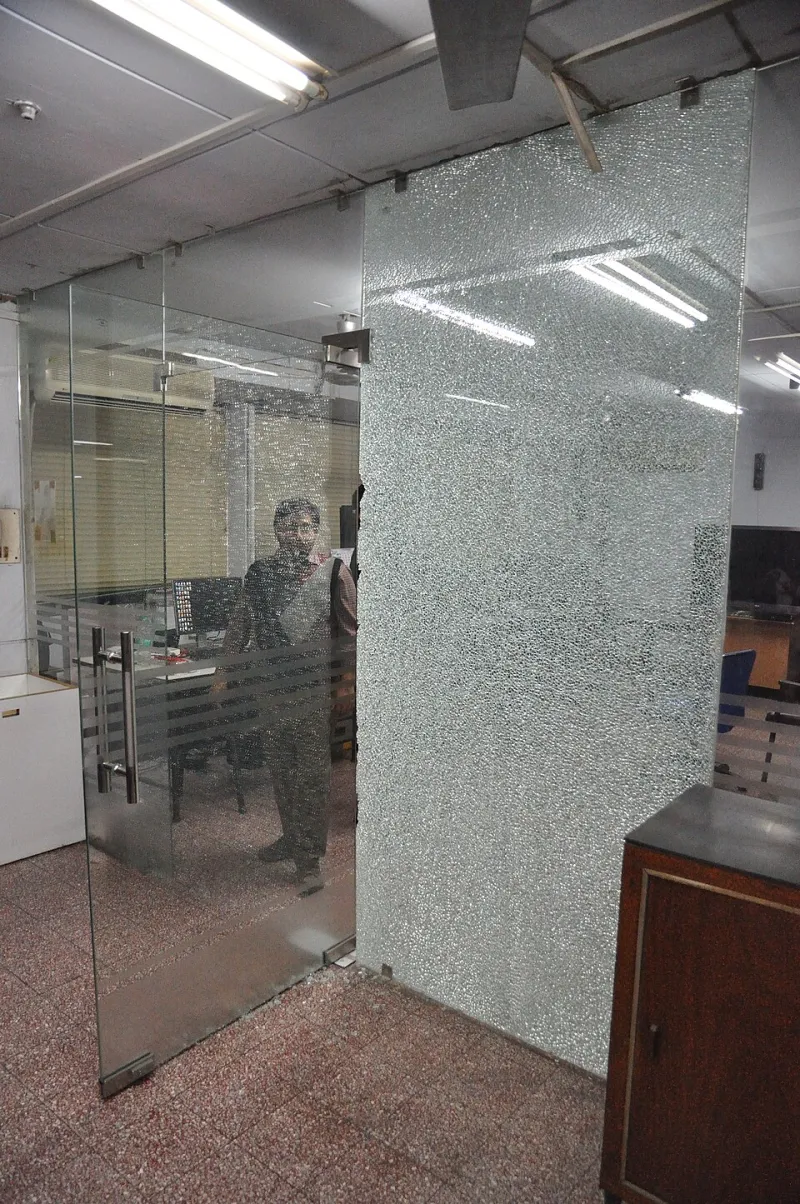
Photo: Biswarup Ganguly, CC BY 3.0, via Wikimedia Commons
Why the Two Standards Exist Side by Side
Walk into nearly any glass fabrication shop in the United States and you'll find two certification stamps on the same tempered units: ANSI Z97.1 and CPSC 16 CFR 1201. For buyers new to glazing procurement, this duplication can seem redundant. In practice, the two standards answer different questions, and knowing which one your project requires can mean the difference between a smooth permit approval and a costly resubmission.
ANSI Z97.1, the American National Standard for Safety Glazing Materials Used in Buildings, is a voluntary consensus standard. It establishes pass/fail criteria for impact resistance and defines how a product behaves when it breaks — a critical attribute of tempered glass, which fractures into small, relatively harmless fragments rather than dangerous shards.
CPSC 16 CFR 1201, by contrast, is a federal regulation issued by the Consumer Product Safety Commission under the Consumer Product Safety Act. It is not voluntary. When a building code references "safety glazing" in hazardous locations, the federal rule is what carries legal weight, and it sets three escalating performance categories: Category I (minimum 150 ft-lb impact), Category II (minimum 400 ft-lb), and Category III (a lower threshold reserved for certain glazing in sliding doors and low-height applications).
Where Each Standard Typically Applies
The practical dividing line comes down to where the glass sits and what could hit it.
CPSC 16 CFR 1201 governs architectural safety glazing in what the codes call hazardous locations: glazing adjacent to doors, within doors themselves, glazing near walking surfaces in bathrooms, around pools, and similar areas identified in IBC Section 2406 and IRC R308.4. If a human body could reasonably walk, fall, or stumble into the pane, 1201 is the controlling requirement — and Category II is the default for most vertical commercial applications.
ANSI Z97.1 covers a broader family of safety glazing products, including certain laminated and wired glass configurations, and is frequently cited for applications outside the strict 1201 scope: furniture glazing, some interior partitions, and products where a consensus-standard certification satisfies the specification without triggering federal category requirements. Many general contractors also accept Z97.1 documentation on submittals where the architect's spec has listed it explicitly.
A Decision Checklist for Spec Writers
Before finalizing any glazing schedule, run through these questions:
- Is the pane in a hazardous location per IBC 2406? If yes, CPSC 16 CFR 1201 applies, and you must specify Category I, II, or III based on the application.
- What is the impact exposure? Overhead or high-traffic areas generally demand Category II. Low-risk, low-height residential panels may qualify for Category III.
- Does the project spec cite a consensus standard? Some architects and institutional owners (school districts, healthcare systems) write ANSI Z97.1 into their master specs regardless of code minimums.
- Is the product architectural or non-architectural? Furniture, display cases, and appliance glazing often fall outside 1201's scope entirely, making Z97.1 the appropriate certification.
- What will the AHJ accept? Local building departments vary. When in doubt, confirm expectations with the authority having jurisdiction before fabrication begins.
Common Compliance Mistakes in Permit Reviews
Permit reviewers reject glazing submittals for a handful of predictable reasons. The most frequent is a Category mismatch — specifying Category I glass in a location the code requires Category II, such as a full-height storefront panel adjacent to a door swing. Another recurring error is missing labels: code requires each safety-glazed unit to bear a permanent, legible marking identifying the manufacturer and the standard it meets. Units that arrive unlabeled, or labeled only with a paper certificate that doesn't match the physical product, routinely fail inspection.
A third issue is documentation drift. A fabricator may test under Z97.1 years ago and assume it satisfies a 1201 specification today. These are related but distinct credentials, and a reviewer who asks for the specific federal certification will not accept the consensus-standard report as a substitute.
How Suppliers Verify Certification
Reputable tempered glass suppliers maintain current test reports from independent laboratories and can produce them on request — typically within one business day. When vetting a supplier, ask for three things: the original laboratory test report (not a summary), the date of the most recent testing, and confirmation that the etched or fired-on label on each unit matches the certified configuration.
Third-party certification programs and periodic witness testing add an additional layer of assurance. For projects with strict inspection regimes — hospitals, schools, high-rise residential — buyers should insist on documented traceability from the raw float glass through the tempering furnace to the final labeled unit.
The Bottom Line
Both standards exist to keep people safe around glass, but only one is federal law in hazardous locations. Spec the right one, verify the labels, and request documentation early. A few extra questions at procurement can prevent weeks of permit delays down the road.