The Inspector's List: Seven Overlooked Locations Where the Code Demands Safety Glazing
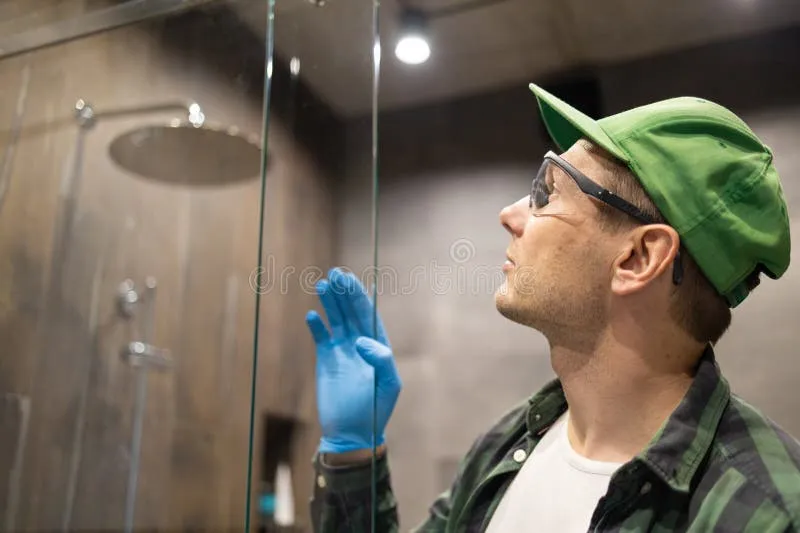
Photo: building inspector checking glass shower enclosure construction site, via thumbs.dreamstime.com
Ask any building inspector what triggers red tags most often in glass-related walk-throughs, and the answer is rarely exotic. It is ordinary annealed glass installed where the code requires tempered — a substitution that saves a few dollars on the order and costs thousands in rework.
The rules come from Chapter 24 of the International Building Code and Section R308 of the International Residential Code, which identify "hazardous locations" where human impact is likely and glass must be safety glazing. Tempered is the default solution; laminated meeting the same impact criteria is the alternative. Below are the seven locations where we most often see the requirement missed.
1. Shower and Tub Enclosures
The classic. Any glazing in a shower, bathtub, or hot tub enclosure where the bottom edge sits below 60 inches above the drain must be safety glazing. Frameless glass shower doors are almost always tempered, but fixed panels and transoms above tubs are where errors appear. Inspectors look for the permanent etched logo in the glass corner — a temporary sticker does not count.
2. Glass in and Near Doors
Sidelites, transoms, and panels within a 24-inch arc of a door's latch side, and any glazing in a door itself, require safety glazing when the bottom edge is below 60 inches. A decorative annealed sidelight next to a commercial entry door is a guaranteed correction notice.
3. Glass Railings and Guards
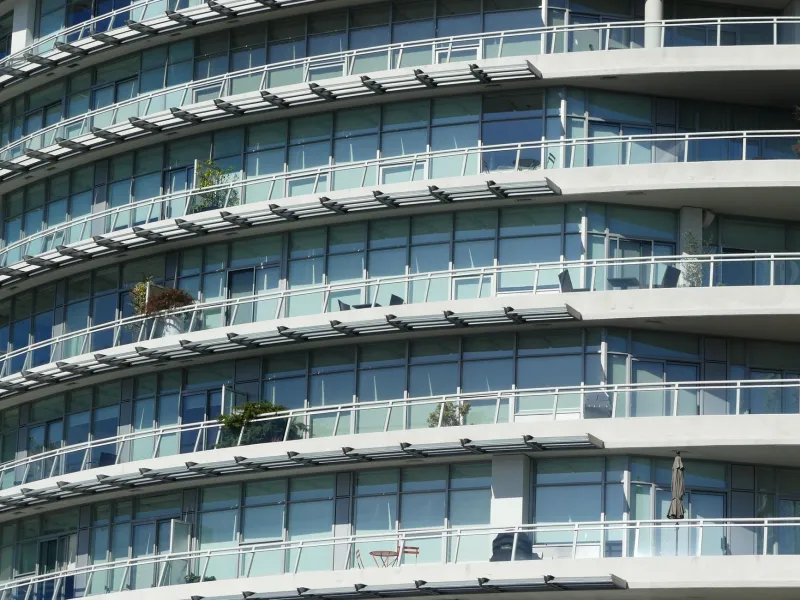
Guard and railing panels must be safety glazing, and the structural design matters as much as the temper. The IRC requires railing panels to survive a specific concentrated load; for outdoor installations, heat-soaked and properly edged tempered glass reduces nickel sulfide breakage risk. Inspectors verify both the etch and the attachment hardware.
4. Stairway and Ramp Glazing
Glazing on stairs, landings, and ramps within 36 inches of the walking surface — where a falling body could contact the glass — requires safety glazing when the bottom edge is below 60 inches. Modern open-riser stair designs with glass panels hit this rule constantly.
5. Large Windows Near Doors and Walkways
Individual panes larger than 9 square feet, with a bottom edge below 18 inches and top edge above 36 inches above the floor, must be safety glazing when a walking surface runs alongside them. Full-height conference room glass and residential picture windows are frequent offenders — the glass looks structural, but only the etch proves compliance.
6. Glazing Near Water — Pools and Outdoor Living
Fencing and screens around swimming pools, plus glazing where the walking surface is within 60 inches horizontally of the water and the glass bottom is below 60 inches, fall under the hazardous location rules. Wet, barefoot, distracted occupants are precisely the scenario the code anticipates.
7. Skylights and Overhead Glazing
Here the logic shifts from impact to fallout. Overhead and sloped glazing above specific areas must be laminated, or monolithic tempered when the code permits it based on slope, area, and height above grade. Contractors accustomed to vertical applications often assume tempered alone suffices; the code's tables say otherwise.
Why It Matters Beyond the Inspection
The failure risks are not theoretical. Ordinary annealed glass breaks into large, razor-edged shards; a fall or body impact against non-compliant glazing is a catastrophic injury scenario and, in litigation, a straightforward negligence case. Tempered glass, by contrast, fractures into small granular pieces and carries four times the bending strength.
For builders and glazing contractors, the economics are one-directional: the premium for tempered over annealed in a typical residential lite is modest, while a failed inspection, replacement, and re-glaze of installed systems is not. The habit worth building is simple — before ordering any glass near a door, a walking surface, water, or a fall line, check the hazardous location tables first. And always confirm the etch is on every lite that arrives on site.