TemGlass Tempered Glass Specs, Certifications & Industry Insight

TemGlass

Tempered Glass Specs, Certifications & Industry Insight

Latest Articles

Downsizing Without Downgrading: A Specifier's Framework for Substituting 6mm Tempered Glass in Framed Systems
Market Analysis

Downsizing Without Downgrading: A Specifier's Framework for Substituting 6mm Tempered Glass in Framed Systems

Improved tempering consistency and modern load modeling have made 6mm tempered glass a credible substitute for 10mm in many framed commercial applications. Here's a practical decision framework for when the substitution saves real money — and when it invites callbacks.


Schedule Is the New Price: Why Response Time Decides Tempered Glass Contracts
Market Analysis

Schedule Is the New Price: Why Response Time Decides Tempered Glass Contracts

Across the US construction market, tempered glass buyers are increasingly trading a modest premium for guaranteed delivery dates. We break down where lead time is actually spent, how seasonal backlogs shift the calendar, and what to ask a fabricator before your schedule-critical order is committed.

Quiet by Design: What STC Ratings Really Tell You Before You Order Tempered Glass
Market Analysis

Quiet by Design: What STC Ratings Really Tell You Before You Order Tempered Glass

Acoustic performance has moved from a nice-to-have to a line item on architectural specs across offices, schools, and multifamily housing. Here's how thickness, edge work, and lamination choices determine whether a tempered panel actually delivers the sound control your project is paying for.

Certified Safe, Not Invincible: Closing the Expectation Gap Between Tempered Glass and the People Who Lean On It
Certifications & Compliance

Certified Safe, Not Invincible: Closing the Expectation Gap Between Tempered Glass and the People Who Lean On It

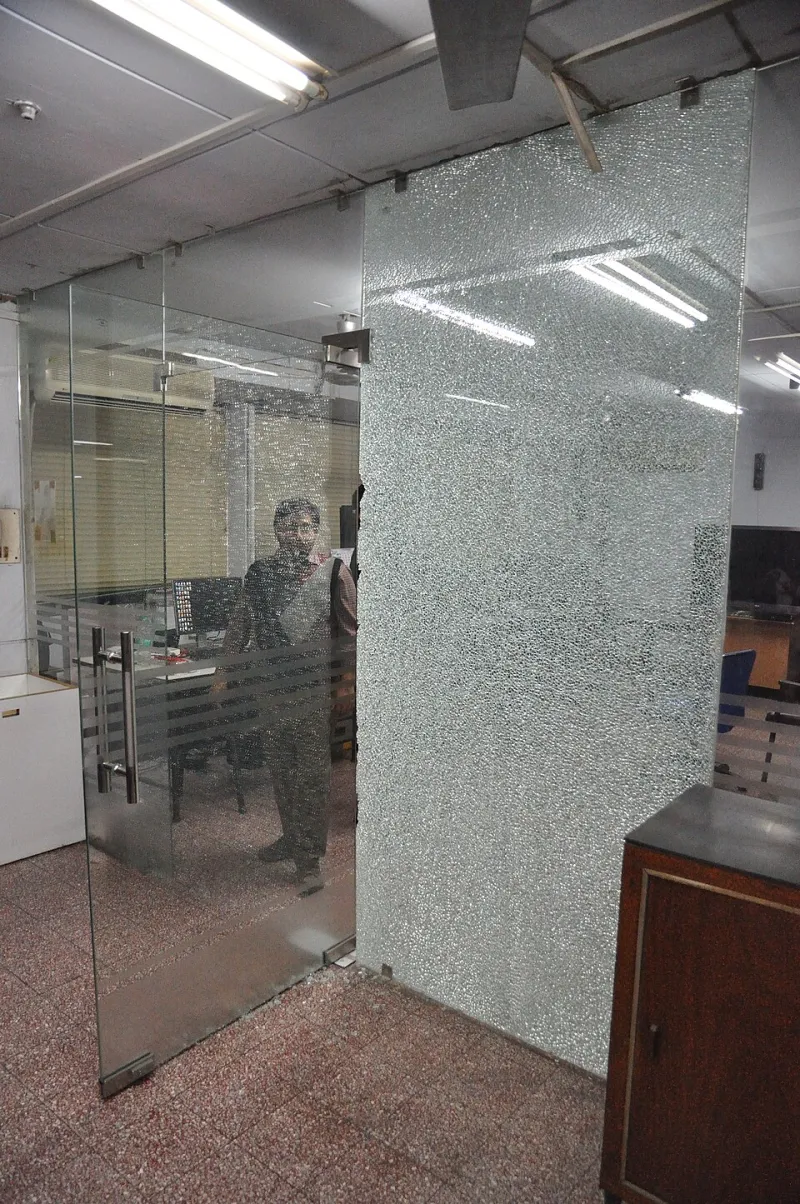
Tempered glass earns its safety certification through strength and break patterns — not through immunity to failure. This piece examines where buyer assumptions diverge from tested performance, and how suppliers can set expectations before the sale to prevent disputes down the line.

Heat Doesn't Break Glass Evenly: Rethinking Tempered Panels Near Cooking and Warming Equipment
Certifications & Compliance

Heat Doesn't Break Glass Evenly: Rethinking Tempered Panels Near Cooking and Warming Equipment

A safety rating certifies how glass breaks, not how it handles heat. This article examines thermal shock mechanics behind tempered panel failures near commercial heat lamps, salamanders, and fireplaces, and offers practical spec guidance for high-temperature zones.

When Nothing Hit It: The Liability Vacuum Behind Spontaneous Glass Failures
Certifications & Compliance

When Nothing Hit It: The Liability Vacuum Behind Spontaneous Glass Failures

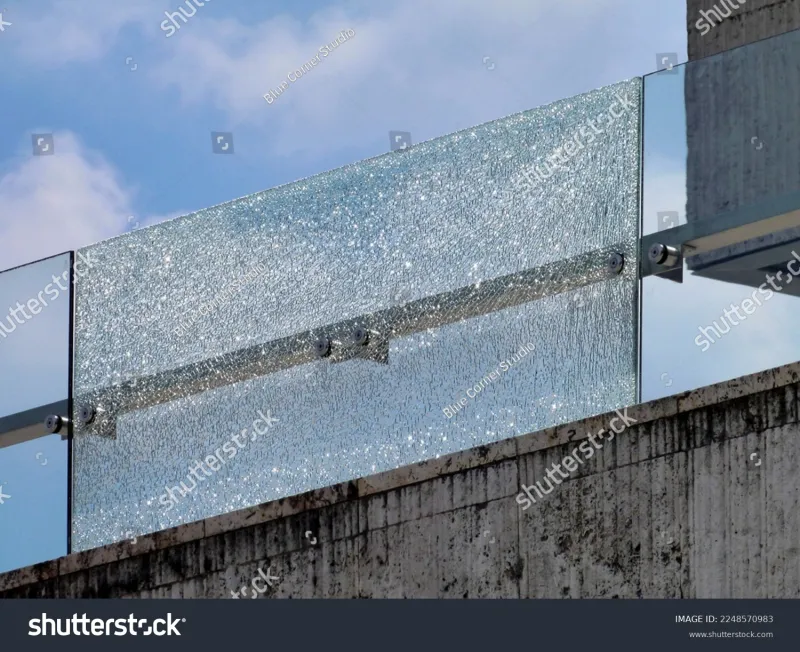
A tempered panel shatters with no impact, and suddenly nobody is sure whose problem it is. We argue the industry's refusal to standardize failure documentation leaves fabricators, glaziers, and owners all worse off—and proposes a fix.

Cut Table to Curb: Where Your Tempered Glass Order Actually Spends Its Time
Market Analysis

Cut Table to Curb: Where Your Tempered Glass Order Actually Spends Its Time

Most delays and breakage claims don't originate where buyers think they do. We follow a single commercial order through cutting, edging, tempering, and freight to show exactly where schedules slip and panels get damaged.

The Distortion We've Learned to Accept: Why Roller Wave Tolerance Needs a Rethink for Modern Retail Glazing
Market Analysis

The Distortion We've Learned to Accept: Why Roller Wave Tolerance Needs a Rethink for Modern Retail Glazing

ASTM C1048's roller wave limits were written for a different era of glass — one without floor-to-ceiling storefronts, low-iron lites, and heat-treated insulated units. Here's why the standard tolerance no longer matches market expectations, and how buyers can protect themselves before panels leave the truck.

Specifying the Edge You Actually Need: A Buyer's Guide to Grind, Polish, and Bevel Before the Quote Goes Out
Certifications & Compliance

Specifying the Edge You Actually Need: A Buyer's Guide to Grind, Polish, and Bevel Before the Quote Goes Out

Edge treatment is the most commonly omitted line item in tempered glass RFPs, and the omission costs buyers in change orders, rejected panels, and premature field failures. This guide explains when edge work is structural, when it's cosmetic, and how to write an edge specification that holds up.

When Glass Breaks Itself: Nickel Sulfide Inclusions and the Case for Heat-Soak Testing
Certifications & Compliance

When Glass Breaks Itself: Nickel Sulfide Inclusions and the Case for Heat-Soak Testing

Spontaneous breakage in tempered glass isn't a myth — it's a metallurgical defect with a documented failure mechanism. This article explains how nickel sulfide inclusions form, what heat-soak testing actually guarantees, and the contract language that protects facility managers when a panel lets go without warning.

Stop Over-Tempering: Why Heat-Strengthened Glass Deserves a Second Look on Your Next Quote
Market Analysis

Stop Over-Tempering: Why Heat-Strengthened Glass Deserves a Second Look on Your Next Quote

Full tempering has become the default answer on American glazing specs, and it's costing projects money and optical clarity they don't need to sacrifice. Here's where heat-strengthened glass outperforms, where tempered remains non-negotiable, and a checklist for evaluating supplier quotes.

The Inspector's List: Seven Overlooked Locations Where the Code Demands Safety Glazing
Market Analysis

The Inspector's List: Seven Overlooked Locations Where the Code Demands Safety Glazing

Safety glazing violations are among the most common — and most preventable — reasons residential and light commercial projects fail final inspection. We break down seven frequently missed locations under the IBC and IRC, why the rules exist, and what field inspectors check first.

Coastal Glazing That Survives the Spec Review: Wind-Borne Debris Codes, Miami-Dade Approvals, and the Tempered vs. Laminated Decision
Certifications & Compliance

Coastal Glazing That Survives the Spec Review: Wind-Borne Debris Codes, Miami-Dade Approvals, and the Tempered vs. Laminated Decision

Along the Gulf and Atlantic coasts, glazing specifications face scrutiny that inland projects never encounter. This guide walks through ASTM E1996, Miami-Dade and Florida product approvals, and the practical trade-offs between tempered and laminated assemblies for commercial coastal builds.

The New Economics of Tempered Glass: What Tariffs and Reshoring Mean for Your 2026 Budget
Market Analysis

The New Economics of Tempered Glass: What Tariffs and Reshoring Mean for Your 2026 Budget

Import duties, elevated energy costs, and a wave of domestic capacity investment are rewriting the pricing playbook for tempered glass. Here's what U.S. buyers should expect in 2026 — and five procurement strategies to stabilize supply and cost.

Safety Glazing Decoded: A Spec Writer's Field Guide to ANSI Z97.1 and CPSC 16 CFR 1201
Certifications & Compliance

Safety Glazing Decoded: A Spec Writer's Field Guide to ANSI Z97.1 and CPSC 16 CFR 1201

Choosing between ANSI Z97.1 and CPSC 16 CFR 1201 is one of the most common sources of failed permit reviews in U.S. construction. This guide breaks down when each standard applies, includes a practical decision checklist, and explains how to verify supplier certification documentation before you order.